


May 28,2025
Unlocking the Future of Advanced Non-Ferrous Machining in Manufacturing
Advanced non-ferrous machining represents a significant evolution in the field of manufacturing, particularly within the realm of machining and component fabrication. Non-ferrous materials, which include metals like aluminum, copper, titanium, and various alloys, possess unique properties that make them ideal for specialized applications across industries. Understanding these advanced machining te
Advanced non-ferrous machining represents a significant evolution in the field of manufacturing, particularly within the realm of machining and component fabrication. Non-ferrous materials, which include metals like aluminum, copper, titanium, and various alloys, possess unique properties that make them ideal for specialized applications across industries. Understanding these advanced machining techniques can help manufacturers optimize their processes, improve product quality, and ultimately meet the growing demands of the market.
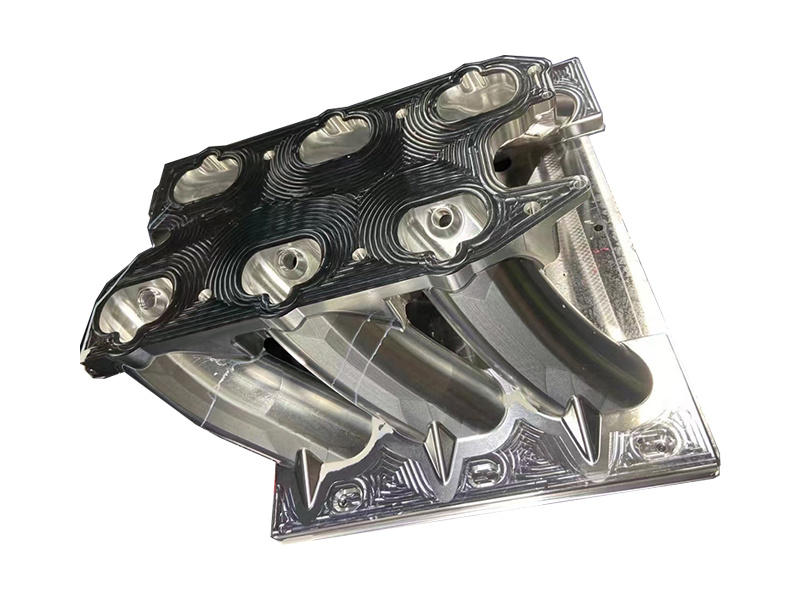
One of the key advantages of advanced non-ferrous machining is its ability to handle materials that are lighter and often more resistant to corrosion compared to ferrous metals. This opens up new avenues for innovation, particularly in sectors such as aerospace, automotive, and electronics. Advanced machining techniques, including CNC (Computer Numerical Control) machining and additive manufacturing, are essential for producing intricate designs and components with high precision and efficiency.
CNC machining is particularly noteworthy in the context of advanced non-ferrous machining. This technology allows for the automation of the machining process, enabling manufacturers to produce complex parts with minimal human intervention. CNC machines can work with non-ferrous materials at high speeds while maintaining tight tolerances, a critical factor in industries that demand high precision, such as aerospace and medical device manufacturing.
Another aspect of advanced non-ferrous machining is the use of specialized cutting tools and techniques tailored for non-ferrous materials. Unlike ferrous metals, non-ferrous materials often require different tooling strategies to prevent issues such as tool wear and material deformation. Coated tools and optimized feeds and speeds can significantly enhance the machining process, improving surface finish and extending tool life.
Furthermore, advanced non-ferrous machining incorporates innovative techniques like cryogenic machining and high-speed machining, which significantly reduce heat generation during the cutting process. This not only prolongs tool life but also ensures better surface quality and dimensional accuracy of the machined parts. Implementing these techniques can lead to significant reductions in production costs and increased efficiency in operations.
In conclusion, advanced non-ferrous machining is reshaping the landscape of the manufacturing industry. By leveraging these innovative machining techniques, manufacturers can enhance their competitiveness, improve operational efficiency, and produce high-quality components that meet the stringent demands of various applications. As the industry continues to evolve, staying informed about these advancements will be crucial for manufacturers aiming to thrive in the modern marketplace.
Next: Unlocking the Benefits of Fancy CNC Precision Services in Modern Manufacturing
Follow Us
Tel: +86 769 8509 0827
Fax: +86 769 2720 5505
Contact: Terry Ramos
Mob: 0086 136 0268 2512
E-mail: terry@brprecise.com
Address: A building , Qianwan 1st Road , Qianhai shengang cooperation zoon ,Shenzhen City. 518052.


